

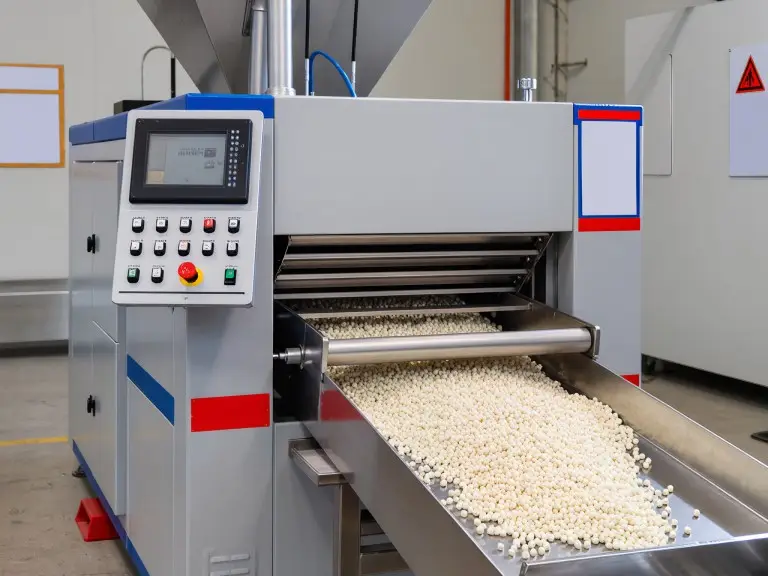
Have you ever considered how plastic waste is transformed into uniform, high-quality pellets that power modern manufacturing? As a process engineer with over a decade of experience at IPG, a leader in plastic pelletizing technology, I’ve worked hands-on with these machines and witnessed their transformative impact. Plastic pelletizing converts raw polymers and recycled waste into consistent pellets, streamlining production and enabling sustainable practices. In this article, I’ll share my insights on the environmental, economic, and operational benefits of pelletizing machines, supported by industry data and practical advice for manufacturers and recyclers.
Understanding Plastic Pelletizing
Pelletizing converts plastic materials—virgin polymers, recycled waste, or additives—into small, uniform beads through extrusion, cooling, and cutting. The process melts plastics, extrudes them into strands, and cuts them into pellets (typically 2–3 mm). Precise control over temperature and cooling ensures consistent quality, making pellets ideal for downstream manufacturing.
Environmental Benefits
Pelletizing machines support sustainable practices by reducing waste and resource use, aligning with circular economy goals.
- Resource Conservation: By recycling plastic waste, pelletizing reduces reliance on virgin plastics, which depend on finite resources like oil. The EPA estimates recycling plastics saves up to 50% of the energy used in virgin production.
- Reduced Plastic Pollution: Pelletizing diverts plastics from landfills and ecosystems. A 2023 Plastics Industry Association report found that pelletizing facilities cut landfill-bound waste by up to 30% in some regions.
- Lower Carbon Footprint: Producing recycled pellets uses 20–50% less energy than virgin plastics, reducing CO2 emissions.
Economic Benefits
Pelletizing delivers cost efficiencies and revenue opportunities, enhancing business viability.
- Lower Material Costs: Recycled pellets cost 20–40% less than virgin plastics (Plastics Technology, 2024), reducing expenses for manufacturers.
- Revenue from Recycled Pellets: High-quality pellets can be sold as raw materials. For example, a mid-sized recycling plant can earn $100,000 annually selling HDPE pellets.
- Competitive Edge: Lower material costs enable reduced product pricing, improving market competitiveness by 10–15% .
Operational and Quality Benefits
Pelletizing enhances manufacturing efficiency and product consistency.
- Improved Handling: Uniform pellets flow smoothly through equipment, reducing spillage and improving handling efficiency by up to 25% compared to irregular waste.
- Enhanced Product Quality: Consistent pellets ensure predictable melting and molding, cutting defects by 10–20% and minimizing downtime.
- Customizable Outputs: Pelletizers can produce pellets with tailored properties, like specific colors or strength, for applications like packaging or automotive parts.
- Circular Economy Support: Pelletizers enable a closed-loop system, where waste plastics are reused, promoting sustainable production.
Types of Pelletizing Machines
Different pelletizing equipment plastic suit specific materials and needs. Below is a comparison:
Pelletizer Type | Key Features | Applications | Throughput (kg/h) |
|---|---|---|---|
Strand Pelletizers | Cuts extruded strands, cost-effective | PP, PE | 500–2,000 |
Underwater Pelletizers | Water cooling, heat-sensitive materials | PET, nylon | 1,000–5,000 |
Air-Cooled Strand Pelletizers | Air cooling, budget-friendly | HDPE | 300–1,500 |
Die Face Pelletizers | Cuts at die face, water cooling | PVC, viscous polymers | 500–3,000 |
Maintenance Tips for Optimal Performance
Regular maintenance ensures pelletizer efficiency:
- Knife Maintenance: Inspect and sharpen cutting knives weekly to maintain precision, extending knife life by 20–30%.
- System Cleaning: Clean extruders monthly to prevent residue buildup, ensuring pellet quality.
- Troubleshooting: Adjust temperature (±5°C) or feed rate to fix issues like uneven pellet size or strand breakage.
Checklist:
- Daily: Check knives and dies.
- Weekly: Sharpen knives, calibrate settings.
- Monthly: Clean system, inspect cooling.
Challenges to Consider
- High Costs: Pelletizers range from $50,000–$500,000, requiring ROI analysis.
- Material Limits: Contaminated plastics may need pre-processing.
- Maintenance Needs: Complex systems require skilled technicians.
Conclusion
Plastic pelletizing machines offer transformative benefits: conserving resources, reducing pollution, cutting costs, and improving product quality. By enabling a circular economy, they support sustainable manufacturing and recycling. For businesses, pelletizers are a strategic investment for efficiency and environmental responsibility.
FAQ
How do pelletizers improve manufacturing efficiency?
Uniform pellets streamline handling and reduce processing issues, cutting downtime by up to 20%.
What plastics can be pelletized?
Most thermoplastics (e.g., PE, PP, PET, PVC) and some biodegradable plastics are suitable.
How do pelletizers support sustainability?
They recycle waste into reusable pellets, reducing landfill use and virgin plastic demand.
What are the costs of pelletizing machines?
Costs vary ($50,000–$500,000); see How Much Is A Plastic Pelletizer for detailed guides.
How can businesses choose the right pelletizer?
Consider material type, throughput needs, and budget. Consult suppliers like IPG or Coperion for tailored advice.